Interviewing Research Participants Remotely: Records and Consent
Video and phone interviews add new consent, recording and storage questions. How to run remote research interviews so the records are clean and the consent is provable.
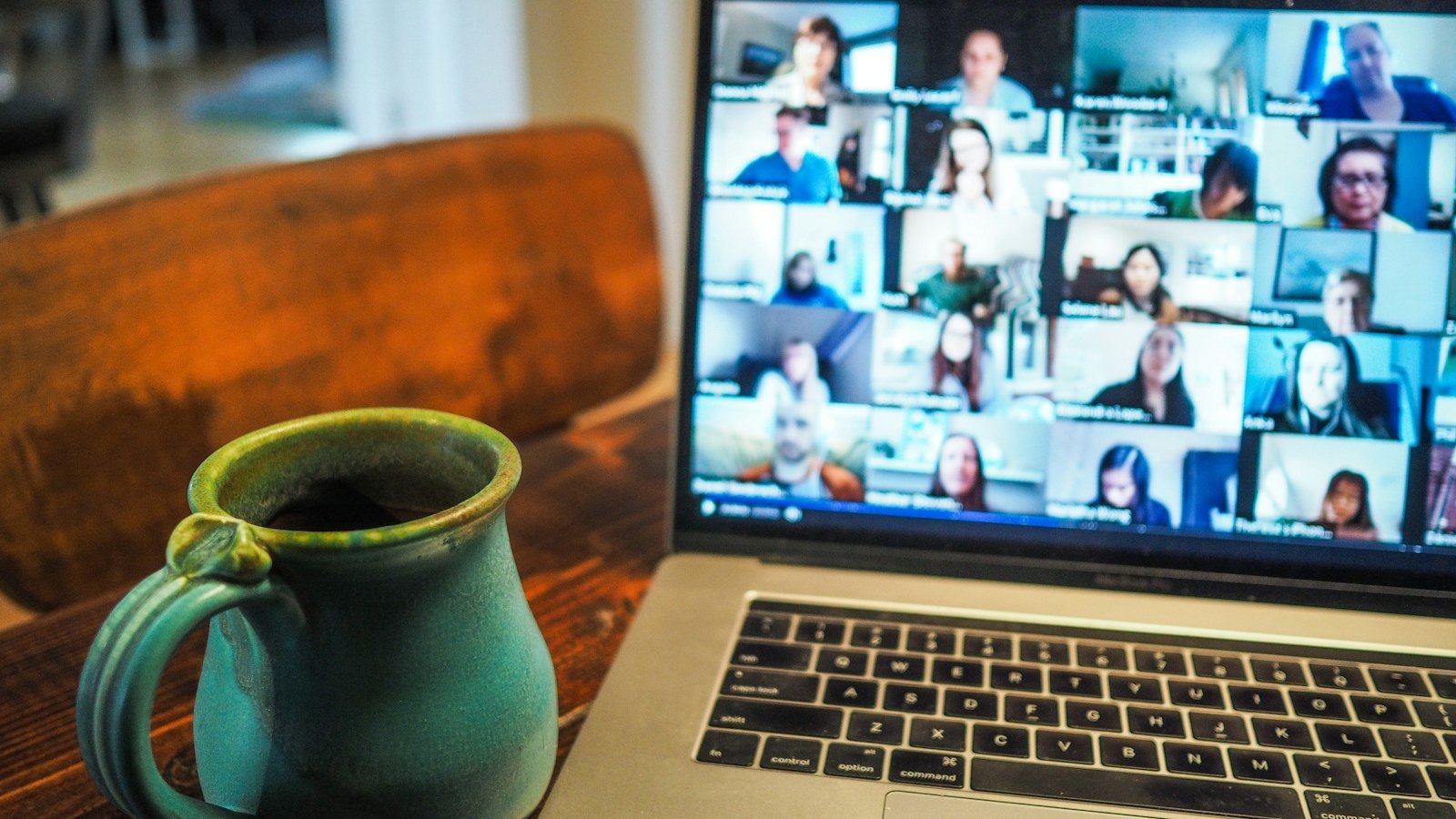
Remote interviews make research more reachable: participants in other regions, people who cannot travel, busy professionals who can spare thirty minutes on a call. They also move the interview onto third-party platforms, into participants' homes and onto recording files that are easy to copy. Good practice: get consent you can prove before recording starts, confirm it on the recording, choose tools your approval covers, and move recordings out of the platform into secure storage promptly.
Before the interview
- Check your ethics approval covers remote methods and the specific platform, if it names one. If not, you may need an amendment; see ethics approval records.
- Send the information sheet in advance, with enough time to read it and ask questions.
- Collect written or electronic consent before the call where possible, using the approved form version. Record which version was used.
- Send a unique meeting link with a passcode or waiting room, not a reused public link.
Consent on the recording
Even with a signed form, start the recording by confirming consent verbally: the date, that the participant has read the information, that they agree to be recorded, and that they can stop at any time. If consent is taken verbally only, which some approvals allow, this recorded statement is the consent record, so follow the approved script exactly. The general principles are in consent forms that survive an audit.
During the interview
- Conduct it from a private space, and ask the participant whether they can speak privately too. Offer to reschedule if not.
- Record only what is approved: audio only if video is not needed.
- If a participant discloses something that raises a safeguarding or safety concern, follow the protocol your approval sets out, and note what you did.
- Keep a short interview log: time started and ended, interruptions, technical problems, anything that affects the data.
After the interview
- Download the recording promptly and delete it from the platform's cloud storage and any local downloads folder once it is safely stored, if your data plan says so.
- Store it under a participant code, not a name, in access-controlled storage. Keep the key linking codes to identities separately.
- Transcribe and pseudonymise, noting who transcribed and whether a transcription service was used. Third-party services need to be covered by your approval and data agreements.
- Record the chain: when it was recorded, downloaded, transcribed and deleted from each location.
Withdrawal
Participants may withdraw. Your information sheet should say what happens to their data if they do, and until when withdrawal is possible. Keep a withdrawal log: date, what was removed, from where, and by whom. This is one of the first things an auditor asks about.
Long-term
If recordings will be kept or archived after the study, the consent must cover that, and the metadata must travel with the files. See archiving interview recordings for how to do that well. Rules on research data vary by institution, funder and jurisdiction; check what applies to your study.