How to Take a Witness Statement That Holds Up
A statement holds up when it is in the witness's own words, in order, with sources and gaps admitted. How to prepare, question, draft and sign one, and what to keep afterwards.
A witness statement holds up when a reader can trust that it records what the witness actually saw and heard, in their own words, and nothing else. It falls apart when it reads like the interviewer's theory with the witness's name at the bottom. Whether the statement is for an internal investigation, an insurance claim or a formal hearing, the same craft applies. Formal requirements for statements in court proceedings vary by jurisdiction, so check the local rules for format and wording.
Before the interview
- Know the facts in issue, but do not script the answers. List the topics you need to cover, not the conclusions you want.
- Choose a neutral setting where the witness can speak freely and will not be overheard.
- Tell the witness what the statement is for, who may read it and whether they may be asked to confirm it later.
- Decide how you will record the interview: contemporaneous notes, an audio recording with consent, or both.
During the interview
Start with an open question and let the witness tell the story in full before you interrupt: "Tell me what happened on the afternoon of the 12th." Then go back through it in order with follow-up questions. Use open questions (what, where, who, how) and avoid leading ones. "Did he shout at you?" suggests the answer; "What did he say, and how did he say it?" does not.
Probe the source of every fact. Did the witness see it, hear it, or hear about it from someone else? A statement that separates first-hand observation from hearsay is far stronger than one that blends them.
Drafting the statement
- Use the witness's words. Keep their vocabulary, even where you would put it differently. If they said "he went mad", write that, not "he became agitated".
- Tell it in time order, with dates, times and places as precisely as the witness can give them.
- Say how the witness knows each fact. "I saw", "I heard", "I was told by".
- Record uncertainty honestly. "I think it was about three o'clock, but I am not sure" is more credible than a precise time the witness cannot support.
- Refer to documents precisely, identifying any exhibit so it can be found.
- Leave out your opinions and anything the witness did not say.
Reading back and signing
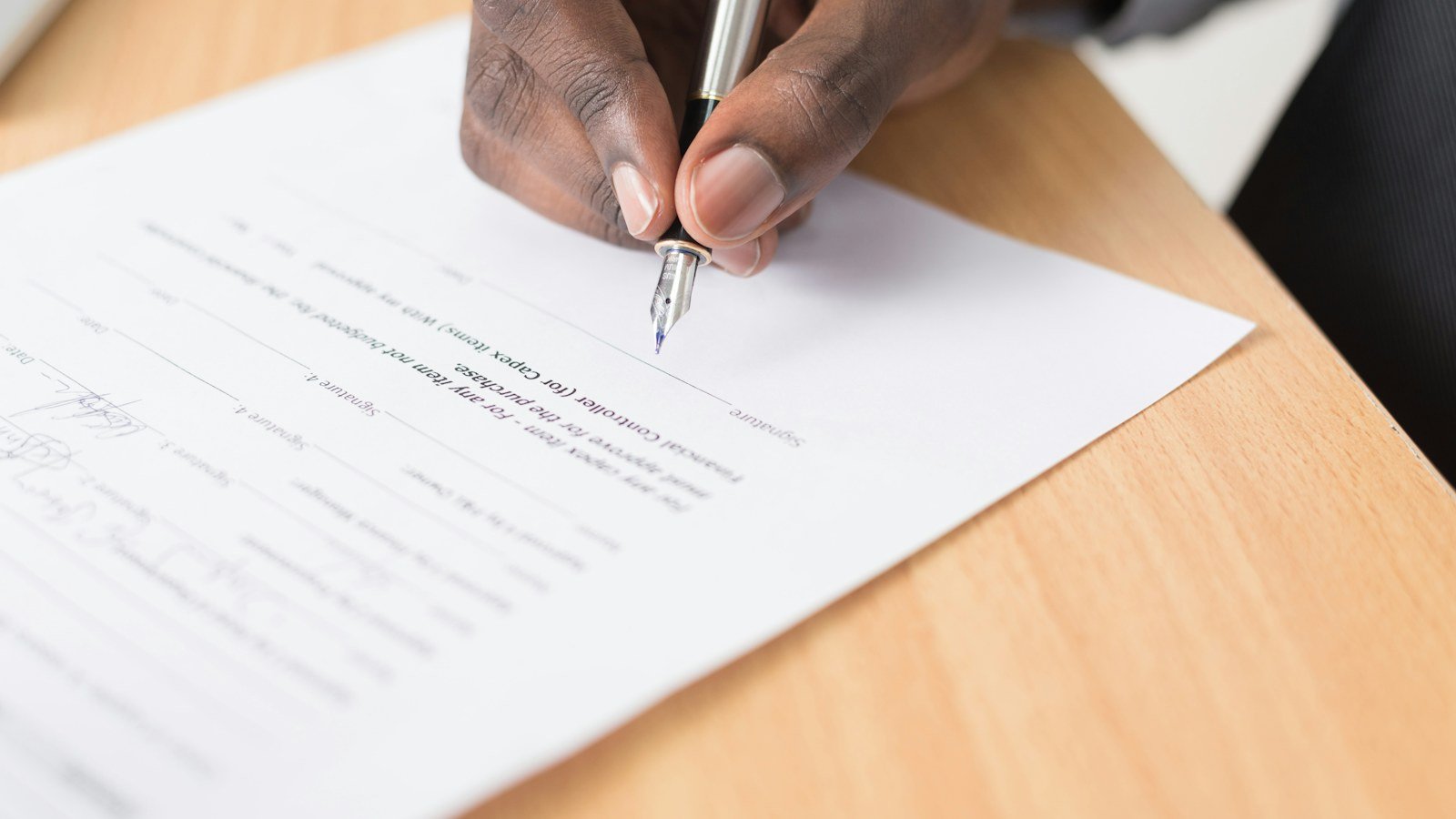
Give the witness time to read the whole draft without you hovering. Invite corrections and make them; do not argue the witness out of a change. Each page should be identifiable as part of the statement, and the witness should sign and date it, with a statement that the contents are true to the best of their knowledge. If the witness will not sign, record that and why.
What to keep
Keep the signed statement, your interview notes, any recording and a note of who was present and when. Do not destroy your rough notes once the clean statement exists; they show how it was produced. If the witness later changes their account, take a new dated statement rather than editing the old one. The same principle of adding rather than rewriting applies to all case notes, see how to write a case note that lasts. Store everything in one restricted place per matter, because statements often contain personal details about third parties.