Insights for people who
handle sensitive work
Product updates, security guides, and practical advice for case managers, investigators, and compliance teams.

Contacts Are Not a Rolodex: People, Companies and the Roles They Play
The same person can be a tenant in one case, a guarantor in another and a witness in a third. Your contact list should know that.
Contacts Are Not a Rolodex: People, Companies and the Roles They Play
The same person can be a tenant in one case, a guarantor in another and a witness in a third. Your contact list should know that.

How to Organise Case Files Digitally: A System That Still Works in Five Years
Folder trees rot. Naming conventions drift. Here is a way to organise case files that survives new staff, new matters and the day you have to hand everything over.
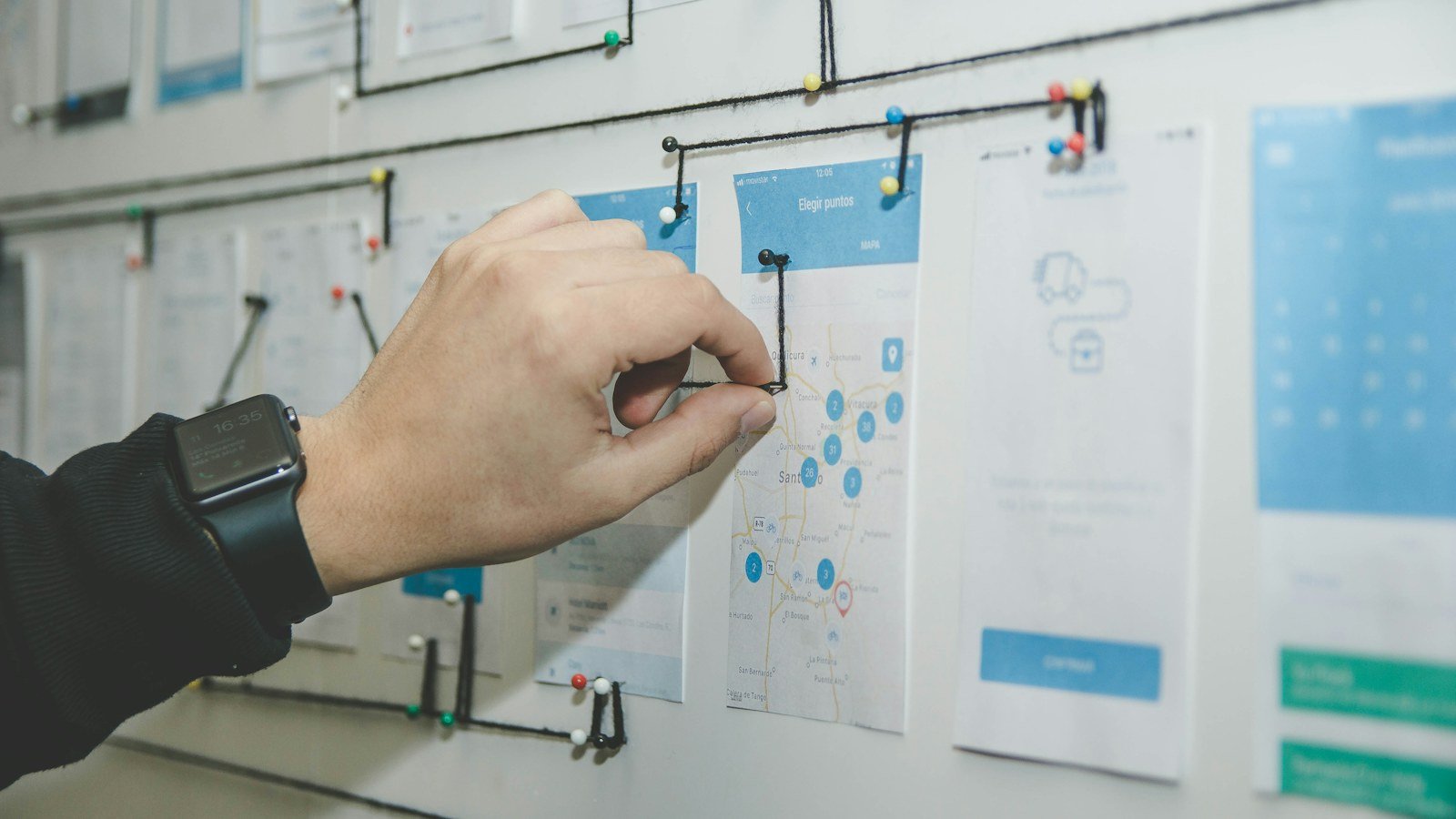
Templates: Why Every Case Should Start From a Shape, Not a Blank Page
A blank form is a decision deferred. A template is the decision made once — and applied every time, by everyone.

What Evidence Do You Need to Win a Tenancy Deposit Dispute?
Deposit disputes are decided on documents, not on who sounds more reasonable. Here is exactly what adjudicators, courts and deposit schemes ask for, wherever you rent.

What Is a Case, Anyway? The Mental Model Behind Herarx
Every tool has one idea at its centre. Ours is the case: one record that holds everything about one matter, and nothing about any other.

Seven Subject Access Request Mistakes to Avoid
Where organisations go wrong when someone asks for their personal data: missed clocks, narrow searches, over-redaction, under-redaction, and losing track of what was sent.

How to Write an Investigation Report
A structure for investigation reports that decision-makers can rely on: scope, method, evidence, findings on each allegation, and conclusions that follow from the evidence.

Meeting Minutes That Turn Into Actions
Most minutes record what was said and change nothing. A format built around decisions and owned actions, and the follow-up routine that makes them happen.
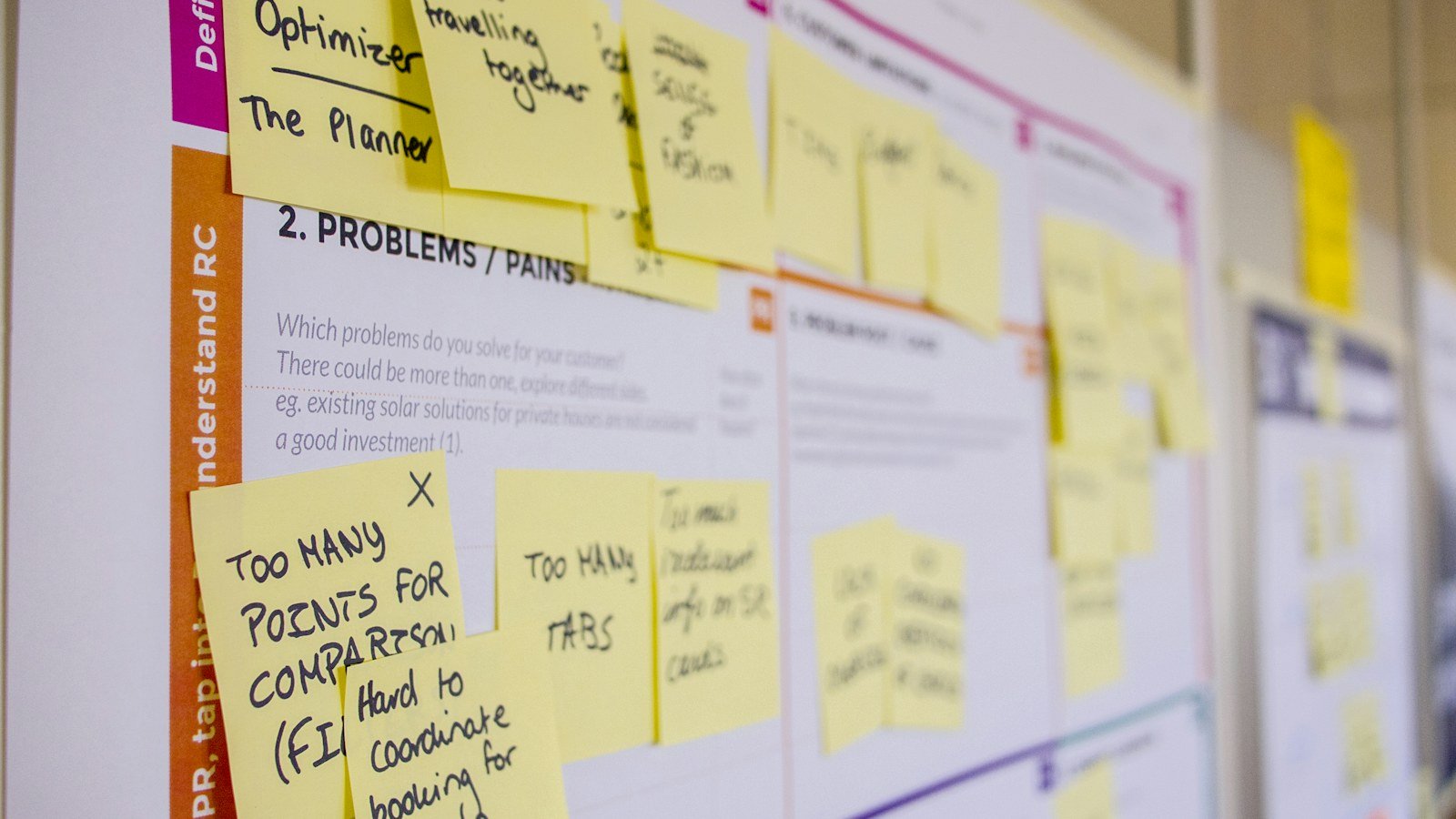
Checklists vs Workflows: When Each One Works
A checklist makes sure nothing is forgotten; a workflow makes sure things happen in order, by the right person. How to tell which a process needs, and when to combine them.